


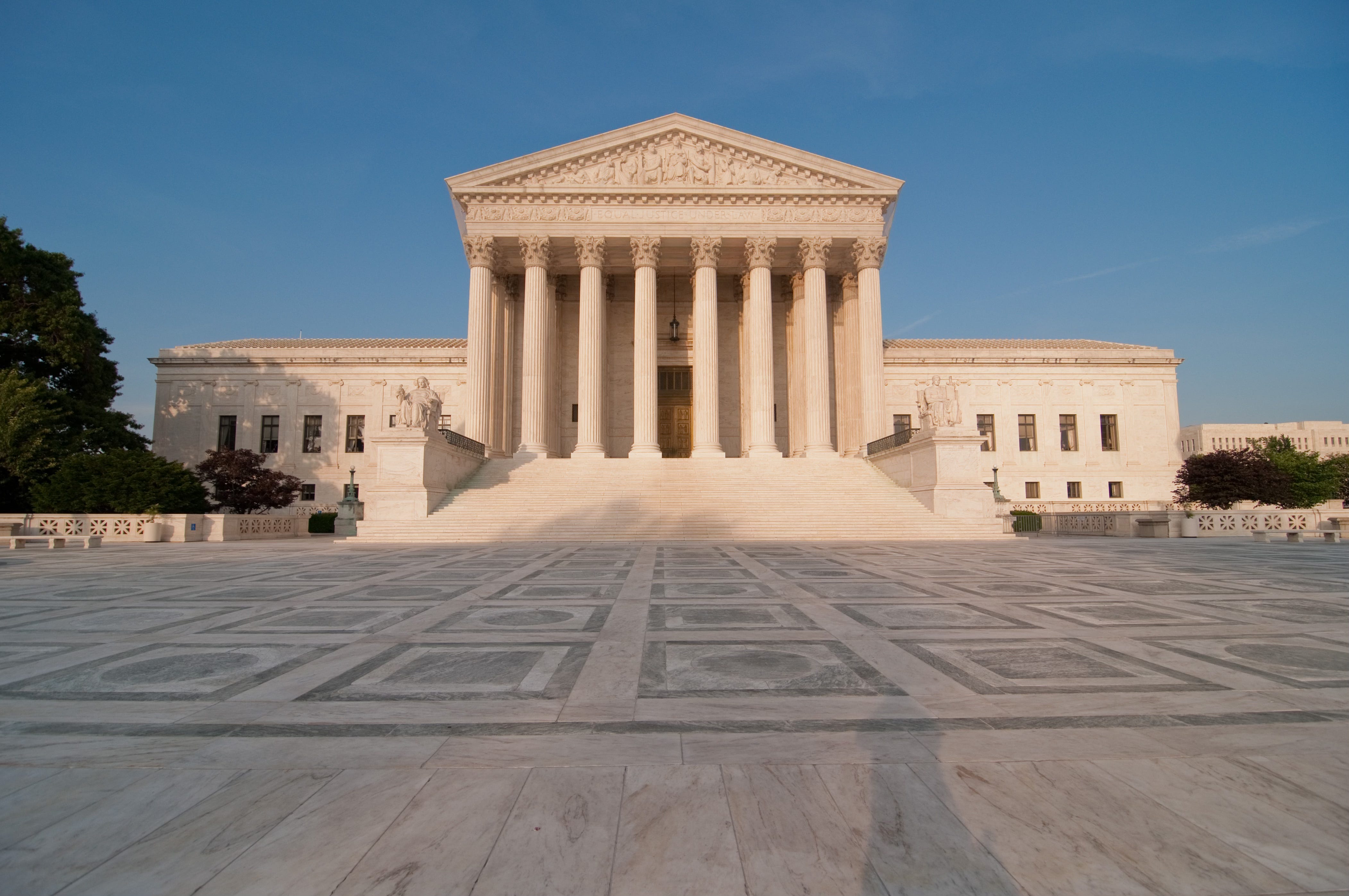
Despite declining to take up similar questions several times before, the Supreme Court said on Monday that it would consider arguments that could determine whether dozens of climate change lawsuits against major oil and gas companies can proceed to trial in state court.
For those who have followed the saga of these climate change cases so far, the issues might sound familiar. The court specifically agreed to hear Suncor Energy’s and Exxon Mobil’s arguments that a lawsuit brought against them by Boulder, Colorado, is preempted by federal law and the Constitution.
The energy companies are appealing a 2025 decision by the Colorado Supreme Court, which allowed Boulder’s case, alleging the oil and gas industry lied about the dangers of climate change for decades and should help pay to adapt, to head to trial.
While Boulder, and dozens of other states and municipalities with similar concerns, filed its lawsuit in state court under state common law theories, the companies have repeatedly said that the case should be heard in federal court, where it would likely be dismissed.
Michael Gerrard, a professor at Columbia Law School, noted that the Supreme Court also asked the parties to discuss whether the justices even have jurisdiction over the dispute at this stage.
Gerrard told Landmark that the Supreme Court typically doesn’t take up cases until there has been a final judgment. And if the justices decide they do not have jurisdiction at this stage, then it “would allow the Court again to dodge deciding the merits.”
So what happens next? Gerrard said that he suspects that fossil fuel industry defendants will push to temporarily pause proceedings in the dozens of other lawsuits that they are facing and that raise similar arguments.
And he noted that some will now wonder how President Donald Trump’s recent decision to repeal the endangerment finding — a 2009 legal determination by the Environmental Protection Agency that greenhouse gas emissions are covered by the Clean Air Act (CAA) — might impact the dozens of climate change lawsuits. The thinking there is that, if the CAA doesn’t actually regulate greenhouse gas emissions, then doesn’t that by default mean it is something for the states to pursue?